No products in the cart.

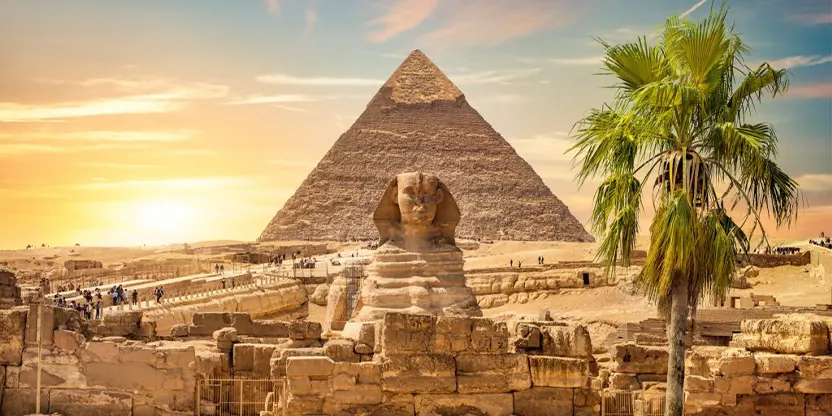
Start with your holiday package by choosing a guided tour package. It’s the best way to travel with family because all the details are pre-planned for you. This is especially important if you are not keen on researching destinations yourself.
For those who do pre-plan, take some time to create a complete itinerary following some research on the destination you are visiting. Pay special attention to special festivals, weather, and political climate when you are working on the itinerary. This provides space for back up plans in case of unforeseen travel problems.
The itinerary also ensures that everything is planned based on what you/your family wants to see and experience. Just make sure all the activities are something worth trying and gives you and your fellow travellers a new dimension of the places visited.
If you are travelling on a budget then you should plan with flight, ground arrangements, passport, visa, meals, transport, shopping and contingency cash for emergency.
Begin your preparations at least 2-3 months before departure. Research Egypt’s climate during your travel dates and pack accordingly. Summer (May-September) can be extremely hot, while winter (December-February) offers pleasant weather for sightseeing.
Create a packing checklist including essentials like comfortable walking shoes, modest clothing for religious sites, sunscreen, hat, sunglasses, and a reusable water bottle. Don’t forget adapters for Egyptian electrical outlets (220V, Type C and F plugs).
Download helpful apps like Google Maps offline, translation apps, and your tour operator’s contact information. Make copies of important documents including your passport, visa, travel insurance, and hotel confirmations. Keep digital and physical copies separate.
Consult your doctor 4-6 weeks before travel to discuss recommended vaccinations. While no vaccines are mandatory for Egypt, Hepatitis A, Hepatitis B, and Typhoid are commonly recommended for travelers.
Pack a personal medical kit with essential medications, pain relievers, anti-diarrheal medication, antihistamines, bandages, and any prescription medications you regularly take. Carry prescriptions in their original containers with clearly labeled instructions.
Drink only bottled water throughout your trip and avoid ice in drinks. Be cautious with street food initially until your stomach adjusts. Consider bringing probiotics to help with digestive adjustment. If you have specific medical conditions, carry a doctor’s note explaining your condition and required medications in English and Arabic if possible.
Most nationalities can obtain an Egypt e-Visa online before arrival or a visa on arrival at Cairo International Airport. The tourist visa typically costs $25 USD and is valid for 30 days with single or multiple entries available.
Apply for your e-Visa at least 7 days before departure through the official Egyptian e-Visa portal. You’ll need a passport valid for at least 6 months from your entry date, a recent passport photo, and a valid credit/debit card for payment.
Citizens of certain countries including the US, UK, EU nations, Australia, and Canada are eligible for visa on arrival. However, applying online beforehand saves time at the airport. Keep printed copies of your visa approval and passport bio page easily accessible during your journey.
Purchase comprehensive travel insurance that covers medical emergencies, trip cancellations, lost luggage, and emergency evacuation. Egypt is generally safe, but insurance provides peace of mind for unexpected situations.
Ensure your policy covers adventure activities if you plan on diving, hot air ballooning, or desert safaris. Read the fine print about coverage limits, deductibles, and exclusions. Some credit cards offer travel insurance, but verify the coverage meets your needs.
Keep your insurance policy documents, emergency contact numbers, and claim procedures easily accessible on your phone and in printed form. Register with your embassy upon arrival for additional safety support. Take photos of valuable items before traveling for insurance claims if needed.
Arrive at the airport at least 3 hours before international flights. Wear comfortable clothing and shoes for the long journey. Keep essentials like medications, electronics, travel documents, and valuables in your carry-on luggage.
Stay hydrated during the flight and move around regularly to prevent deep vein thrombosis. Set your watch to Egypt time to help adjust to the new timezone. Upon arrival, have small bills ready for airport porters and taxi drivers.
After clearing customs, verify your airport transfer is waiting or arrange official transportation. Avoid unlicensed taxis and always agree on fares beforehand if not using metered taxis or ride-sharing apps. Get local SIM card at the airport for easy communication during your stay.
Confirm your flight 24-48 hours before departure and check-in online when possible. Download your airline’s app for real-time updates on gates, delays, and baggage claim information.
Pack liquids in containers under 100ml in a clear ziplock bag for security screening. Remove laptops and electronics from bags during security checks. Wear slip-on shoes for easy removal at security.
Keep boarding passes and passport easily accessible. Charge all electronic devices before traveling. Bring an empty water bottle to fill after security. Save important phone numbers and addresses offline in case of lost internet connection.
For connecting flights, allow adequate layover time (minimum 2-3 hours for international connections). If flying into Cairo, be prepared for potential delays during busy periods. Stay patient and maintain a positive attitude during any travel disruptions.
If renting a car in Egypt, note that driving can be chaotic with unofficial rules and heavy traffic, especially in Cairo. An International Driving Permit is required along with your home country license.
Drive defensively and expect unexpected behavior from other drivers, pedestrians, and animals. Roads between major cities are generally good, but rural roads may be poorly maintained. Avoid driving at night due to poorly lit roads and unexpected obstacles.
GPS navigation is essential, but also carry physical maps as backup. Keep your vehicle doors locked and windows up in congested areas. Never leave valuables visible in the car. Fill up gas when possible as stations can be sparse between cities.
Parking in Cairo is challenging; use hotel parking or paid lots when available. Consider hiring a driver instead, which is affordable and removes the stress of navigating Egyptian traffic. This allows you to relax and enjoy the scenery rather than focusing on difficult driving conditions.
Respect local customs and dress modestly, especially when visiting mosques and religious sites. Women should cover shoulders and knees; men should avoid shorts at religious locations. Remove shoes before entering mosques.
Bargaining is expected at markets and souks – start at 50-60% of the asking price and negotiate respectfully. Keep small bills for tips (baksheesh) which are customary for guides, drivers, and service staff. Typical tips: tour guides $5-10/day, drivers $3-5/day, hotel staff $1-2 per service.
Stay hydrated by drinking plenty of bottled water throughout the day. Take breaks during hot midday hours and seek shade when possible. Be cautious with street photography – always ask permission before photographing people, especially women. Avoid photographing military installations, airports, and bridges.
Stay aware of your surroundings in crowded tourist areas. Use hotel safes for passports and valuables. Trust your instincts and decline aggressive vendors politely but firmly. Exchange money at official banks or exchange bureaus for best rates. Most importantly, immerse yourself in Egypt’s incredible history, warm hospitality, and unforgettable experiences!
